


Authenticity on the Test Bench: Animal Species Identification and Food Labeling
What actually ends up on our plates? For consumers, ingredient declarations are an important tool for verifying the origin and composition of food products. Whether for religious reasons, ethical convictions, allergies, or consumer protection, the accurate declaration of animal species is strictly regulated by European Regulation (EU) No. 1169/2011. It obligates manufacturers to provide transparent, accurate, and truthful food labeling.
However, globalized food supply chains present significant analytical challenges. With multiple intermediaries involved, the risk of errors or intentional deception increases. Ensuring confidence in food products therefore requires robust and reliable analytical methods capable of precisely identifying the animal species present.
Declared Composition vs. Analytical Reality: Mislabeling and Food Scandals
Discrepancies between declared ingredients and actual product composition are repeatedly uncovered by official food monitoring authorities.
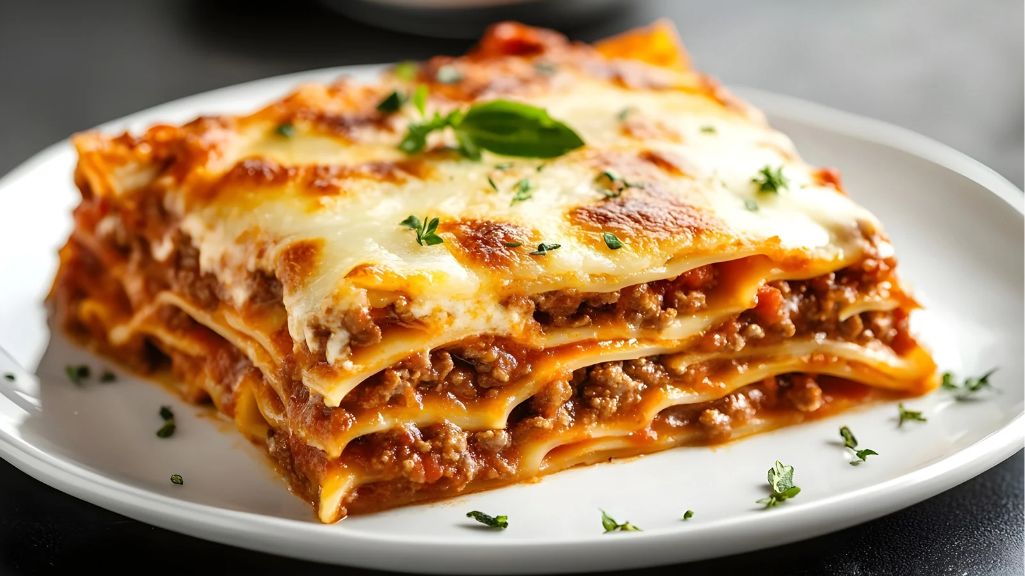
One of the most prominent examples is the European horsemeat scandal. It demonstrated how undeclared horsemeat could enter products marketed as beef-based foods, such as lasagne or burgers, through complex supply chains.
Even in processed sausage and minced meat products, cheaper meat species, such as turkey or pork, may be mixed in without being declared on the label.
Reliable animal species identification is therefore essential for food authenticity testing and quality assurance.
Regulatory Framework: EU Regulation 1169/2011 and German LFGB
Strict legal requirements are in place to protect consumers from misleading information and health risks.
European Regulation (EU) No. 1169/2011
This regulation establishes that food information must be accurate, clear, and easy for consumers to understand. Article 7 prohibits misleading information regarding a food product’s nature, identity, properties, composition, quantity, durability, or origin.
This means that if a product is labeled “100% beef”, it must not contain undeclared meat from other animal species. In addition, the regulation requires the accurate declaration of ingredients and allergens to protect consumers.
Further information: European Regulation (EU) No. 1169/2011
German Law for Food and Feed (LFGB)
In Germany, the Food and Feed Law (Lebensmittel- und Futtermittelgesetzbuch, LFGB) provides additional legal provisions to protect consumers against misleading food information. Its regulations complement the requirements of European food law and prohibit misleading practices in the marketing of food products.
Further information: German Law for Food and Feed (LFGB)
Detection of 13 Food-Relevant Animal Species
To support accurate food labeling and food authenticity testing, CONGEN has developed a real-time PCR kit for the direct qualitative detection and differentiation of 13 food-relevant animal species.
The SureFood ® ANIMAL ID 4plex LIVESTOCK Panel enables the detection of specific DNA sequences from the following animal species in food and feed:
- Chicken
- Turkey
- Goose
- Muscovy duck
- American Pekin duck
- Pork
- Camel
- Horse
- Donkey
- Water buffalo
- Beef
- Sheep
- Goat
The SureFood ® ANIMAL ID 4plex LIVESTOCK Panel real-time PCR Kit is designed for detecting animal DNA in muscle meat mixtures. It enables the detection of the respective animal species at a relative proportion of 0.1%.
This makes the test system a valuable analytical tool for verifying meat composition, identifying undeclared animal species, and supporting food quality assurance.
The SureFood ® ANIMAL ID 4plex LIVESTOCK Panel (Art. No. S6134) enables the qualitative detection and differentiation of 13 animal species using real-time PCR technology.
All relevant product documentation and further information are available for download here:
SureFood ® ANIMAL ID 4plex LIVESTOCK Panel – Product Information
-
How can food manufacturers verify whether the declared animal species is actually present in a product?
Food manufacturers can verify the composition of their products using molecular biological methods such as real-time PCR. These methods detect and identify species-specific DNA sequences from different animal species. The SureFood® ANIMAL ID 4plex LIVESTOCK Panel from CONGEN enables the qualitative differentiation of 13 animal species in food and feed. This allows manufacturers to analytically verify the correct declaration of their products and support their quality assurance processes.
How can undeclared meat be detected in processed foods?
Undeclared animal species can be identified by detecting species-specific DNA sequences. Real-time PCR enables the detection of even small amounts of foreign animal species in meat mixtures. The SureFood® ANIMAL ID 4plex LIVESTOCK Panel from CONGEN is designed to detect 13 different animal species. This makes the test system suitable for verifying meat composition and investigating potential labelling discrepancies.
Why is animal species identification important for the food industry?
Animal species identification helps food manufacturers compare the actual composition of their products with the information provided on the packaging. It helps detect undeclared animal species and potential adulteration in meat products. At the same time, analytical verification supports compliance with the European Food Information Regulation (EU) No. 1169/2011. DNA-based methods such as real-time PCR are an important tool for quality assurance.