


News & Events
Latest news from CONGEN// Receive our newsletter twice a year
// Connect with us on Linkedin
CONGEN News
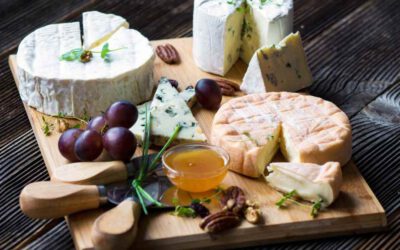
What the new Listeria Regulation (EU) 2024/2895 means for food manufacturers
With effect from July 1, 2026, Regulation (EC) No 2073/2005 will be amended by Regulation (EU) 2024/2895. This revision serves to tighten the microbiological criteria for Listeria monocytogenes in ready-to-eat (RTE) foods. Consequently, it brings about a redefinition...
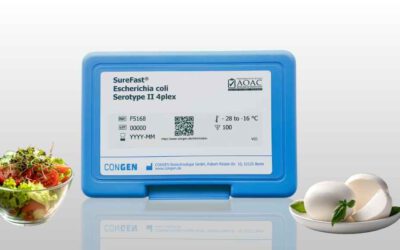
New AOAC-RI Approval: SureFast® PCR Kits for Reliable STEC & E. coli Serotyping
Escherichia coli (E. coli) is a gram-negative, rod-shaped bacterium. It is amongst the most extensively studied bacteria worldwide and constitues a natural component of the gut flora of humans and warm-blooded mammals. STEC: a particularly pathogenic group of E. coli...
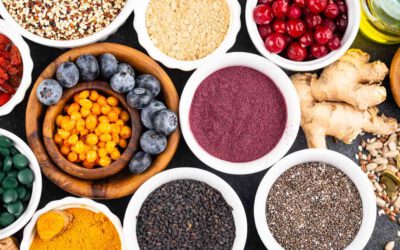
Superfood as a Global Trend: Opportunities and Challenges for Food Safety
Superfoods are more than just a temporary dietary trend. Products such as chia, açai, matcha, curcuma, avocados, and quinoa have gained global recognition as integral components of a modern diet. There is an increasing demand from consumers for healthy, functional,...

Cereulide in food: significance of detecting emetic Bacillus cereus
The current precautionary recalls of infant formula due to possible contamination with the toxin cereulide have once again drawn attention to emetic representatives of the Bacillus cereus group. The German Federal Institute for Risk Assessment (BfR)

Listeria in food: Why rapid and accurate detection is so important
Listeria monocytogenes is one of the most dangerous bacteria that can be found in food. This pathogen is mainly found in raw, undercooked, or improperly stored foods such as meat, fish, dairy products…
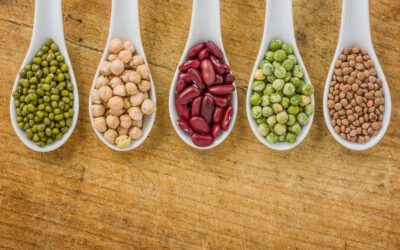
Legumes – nature’s versatile power plants
With around 20,000 described species, legumes are one of the largest and most ecologically significant plant families. They are among the most ancient cultivated plants worldwide and represent the third largest plant family, following orchids and composite flowers. Legumes are a member of the Fabaceae…
CONGEN Newsletter
When you subscribe, you will receive the CONGEN Newsletter 2x per year in English by e-mail. You can unsubscribe at any time.