


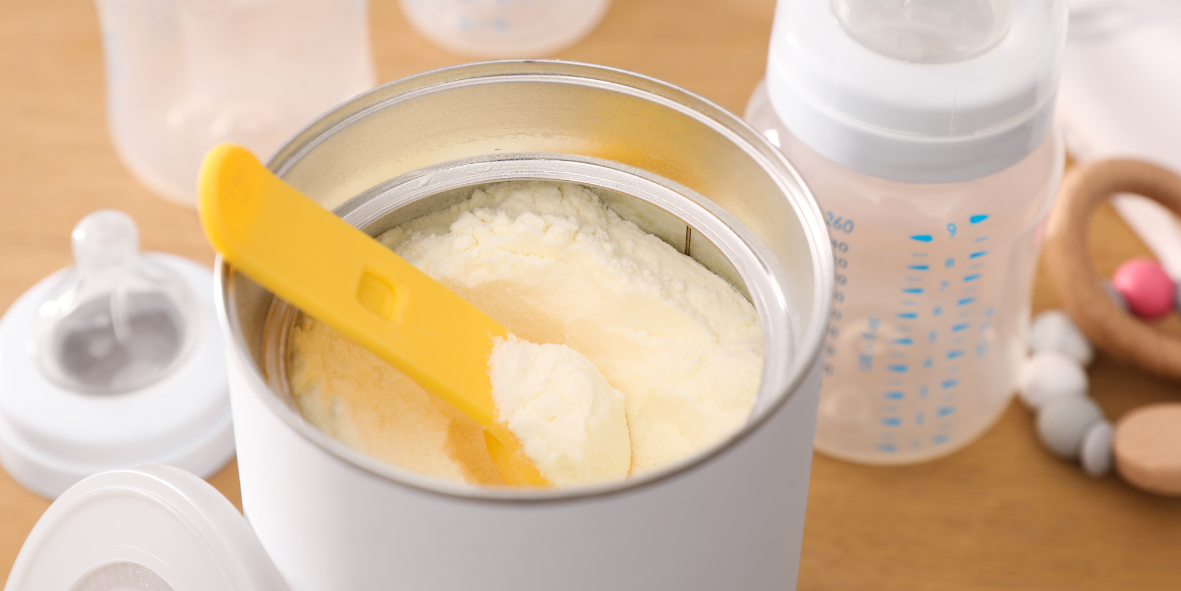
The current precautionary recalls of infant formula due to possible contamination with the toxin cereulide have once again drawn attention to emetic representatives of the Bacillus cereus group. The German Federal Institute for Risk Assessment (BfR) recently published comprehensive background information on this topic, highlighting in particular the health risks for sensitive consumer groups such as infants.
Cereulide is a heat-stable, low-molecular-weight toxin produced by certain emetic strains of B. cereus. Even small amounts can cause nausea and vomiting; in rare cases, severe, life-threatening symptoms have also been reported. Since the toxin is not inactivated by heating, preventive analysis along the food chain plays a crucial role.
Challenges in detecting emetic B. cereus
An important aspect in the evaluation of Bacillus cereus in food is the distinction between apathogenic strains and those with emetic potential. Classic cultural detection methods or non-specific B. cereus tests provide only limited information for this purpose, as they do not allow any conclusions to be drawn about the ability to form cereulide.
The BfR also points out that cereulide does not necessarily have to be formed in the end product, but can already enter food via contaminated ingredients. This makes it all the more important to identify toxin-producing strains early and specifically.
Contribution to food safety and prevention
Against the backdrop of current events, molecular biological detection methods such as real-time PCR underscore their high value in food safety. They enable rapid risk assessment, support the traceability of contamination sources, and make an important contribution to the prevention of toxin-related outbreaks.
Detection of emetic Bacillus cereus
With SureFast® Emetic Bacillus cereus PLUS (item no. F5217), CONGEN offers a real-time PCR kit for the specific detection of emetic Bacillus cereus strains in food. The test detects a specific DNA sequence of cereulide synthetase, the genetic element responsible for toxin formation.
With a detection limit of < 5 DNA copies, the kit enables highly sensitive detection even in cases of very low contamination. The test is suitable for various food matrices and can be easily integrated into existing real-time PCR workflows.